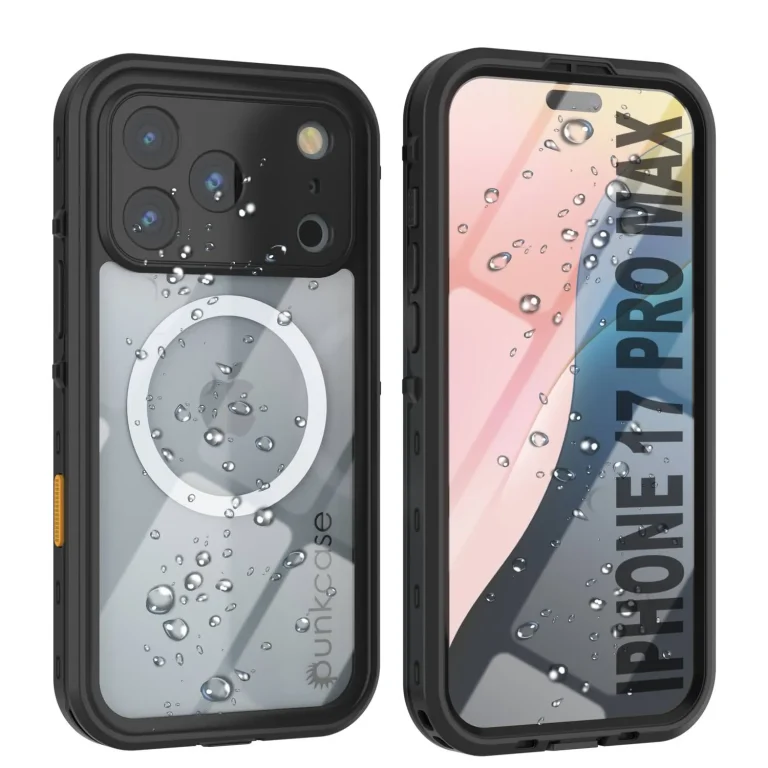







Your smartphone is one of your most valuable possessions. Whether you’re using it for work, staying connected with loved ones, or capturing life’s precious moments, keeping it safe should be a top priority. Yet millions of people still rely on thin, flimsy cases that offer minimal protection against the unexpected drops, spills, and daily wear and tear that phones inevitably face. If you’ve ever watched your phone tumble toward the ground in slow motion, or nervously shaken water out of your case after an accidental splash, you know exactly what we’re talking about. It’s time to rethink smartphone protection.
Understanding Real-World Phone Hazards
Modern smartphones are engineering marvels, but they’re also surprisingly fragile. The average person drops their phone approximately once a week, according to mobile device studies. Beyond drops, smartphones face threats from water damage, scratches, dust, and extreme temperatures. A study by a major smartphone manufacturer found that 90% of devices that required repair could have been saved with proper protection.
The truth is, phones are exposed to more abuse than we’d like to admit. Whether you’re at the beach, hiking in wet conditions, working at a construction site, or simply navigating a crowded commute, your device is at risk. Standard cases offer basic scratch protection, but little else. They fail during the moments that matter most—when your phone hits pavement, gets dunked in a pool, or gets crushed under pressure.
What Sets Professional Phone Protection Apart
Not all phone cases are created equal. The difference between adequate protection and exceptional protection comes down to engineering, materials science, and real-world testing. Premium protective cases undergo rigorous durability testing to ensure they perform when it counts.
Multi-Layer Defense Systems
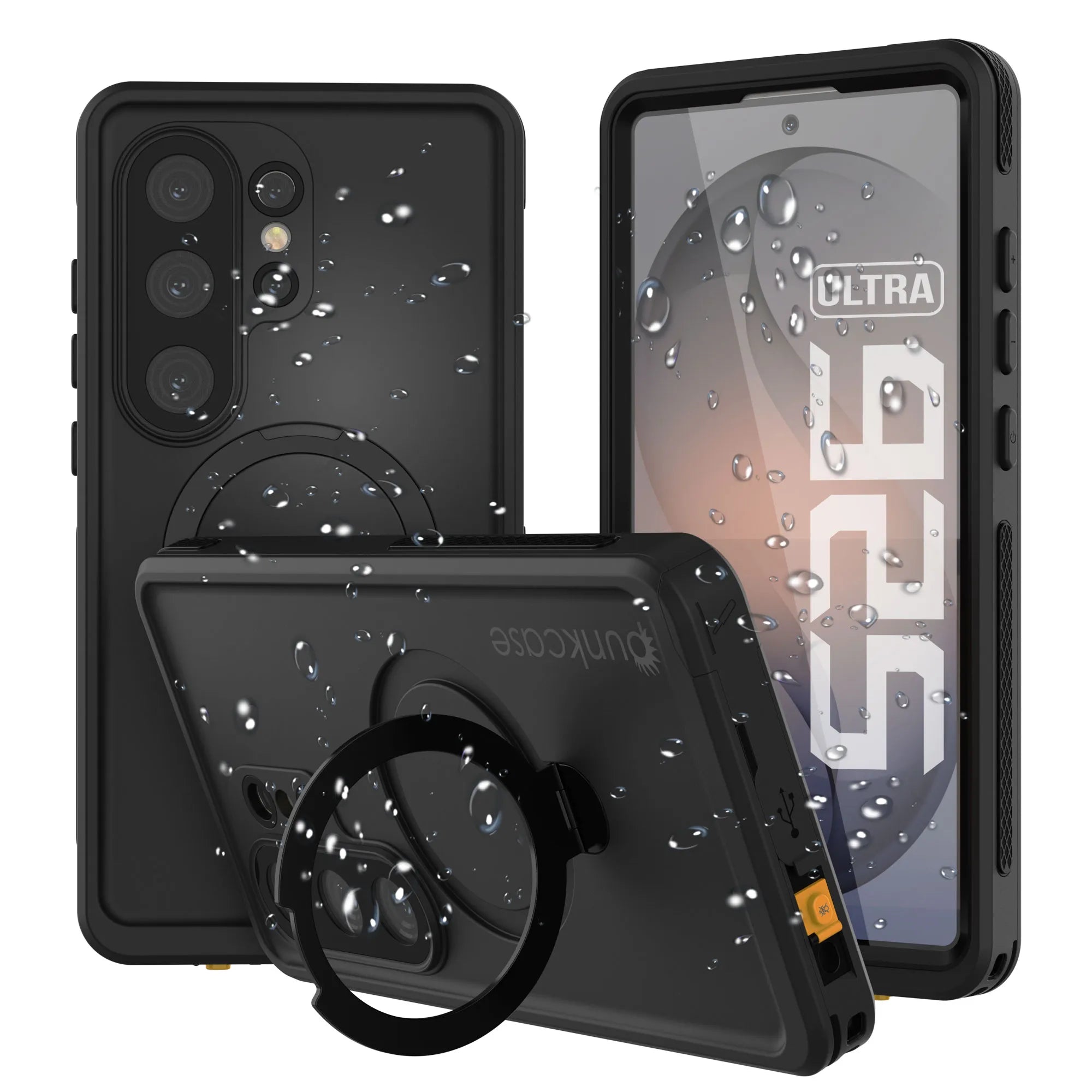
Professional phone cases employ multiple layers of protection, each serving a specific purpose. The outer layer absorbs impact forces, protecting against drops and falls. The middle layer disperses that energy across a wider surface area, preventing damage from concentrating at a single point. The inner layer cushions your actual device, keeping it isolated from shock and vibration. Together, these layers create a comprehensive defense system far superior to single-layer alternatives.
Advanced Materials Matter
The materials used in phone case construction directly determine how well they’ll protect your device. Premium protective cases use impact-absorbing polymers, reinforced corners, and specialized cushioning that have been tested extensively. These materials don’t just feel different—they perform differently. They maintain their protective properties even after years of use, while cheaper materials degrade and become less effective over time.
Drop Testing: What You Need to Know
One of the most important tests for any protective case is drop testing. This isn’t just marketing theater—it’s a critical evaluation of real-world performance. Professional drop testing follows standardized protocols where devices are dropped from specific heights onto hard surfaces, often repeatedly, to simulate various accident scenarios.
Heights Matter
Drop tests typically evaluate protection at multiple heights:
- 3-foot drops (approximately 1 meter): Waist-height falls, the most common accident
- 6-foot drops (approximately 2 meters): Dropping your phone while standing, or from a countertop
- 10-foot drops (approximately 3 meters): Advanced protection testing, roof-to-ground scenarios
- Multiple consecutive drops: Evaluating durability across repeated impacts
The key metric isn’t whether a phone survives a single drop—it’s whether it survives drop after drop without degrading protection. A case might look intact after the first fall but could fail catastrophically on the second. Quality protective cases maintain their structural integrity throughout rigorous testing.
Real-World Drop Scenarios
Standardized testing helps, but real-world drops are unpredictable. Your phone might hit a corner first, or land flat. It could strike pavement, asphalt, tile, or concrete. Professional protective cases are designed to handle all these scenarios, with reinforced corners that take the brunt of corner impacts and shock-absorbing materials that work regardless of how your phone lands.
Water Resistance and Submersion Protection
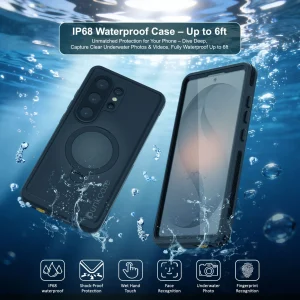
Water damage is one of the leading causes of smartphone failure. A single spill, a drop in a pool, or unexpected rain can destroy an unprotected device instantly. However, water resistance and actual waterproofing are two very different things.
The Difference Between Water Resistance and Waterproofing
Water-resistant cases slow water infiltration but don’t prevent it entirely. They might keep your phone safe during a brief splash or light rain, but extended exposure or submersion will eventually allow water to seep in.
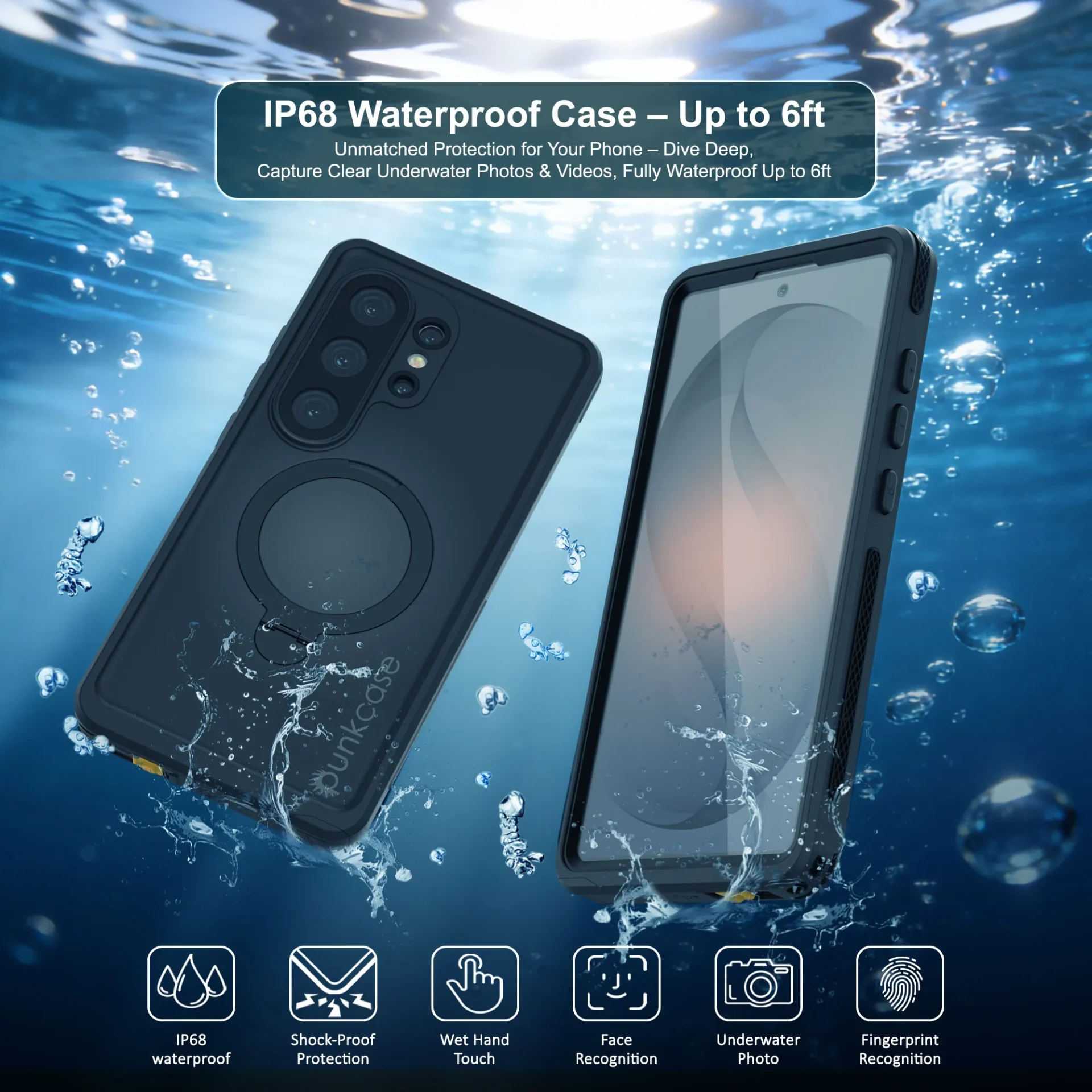
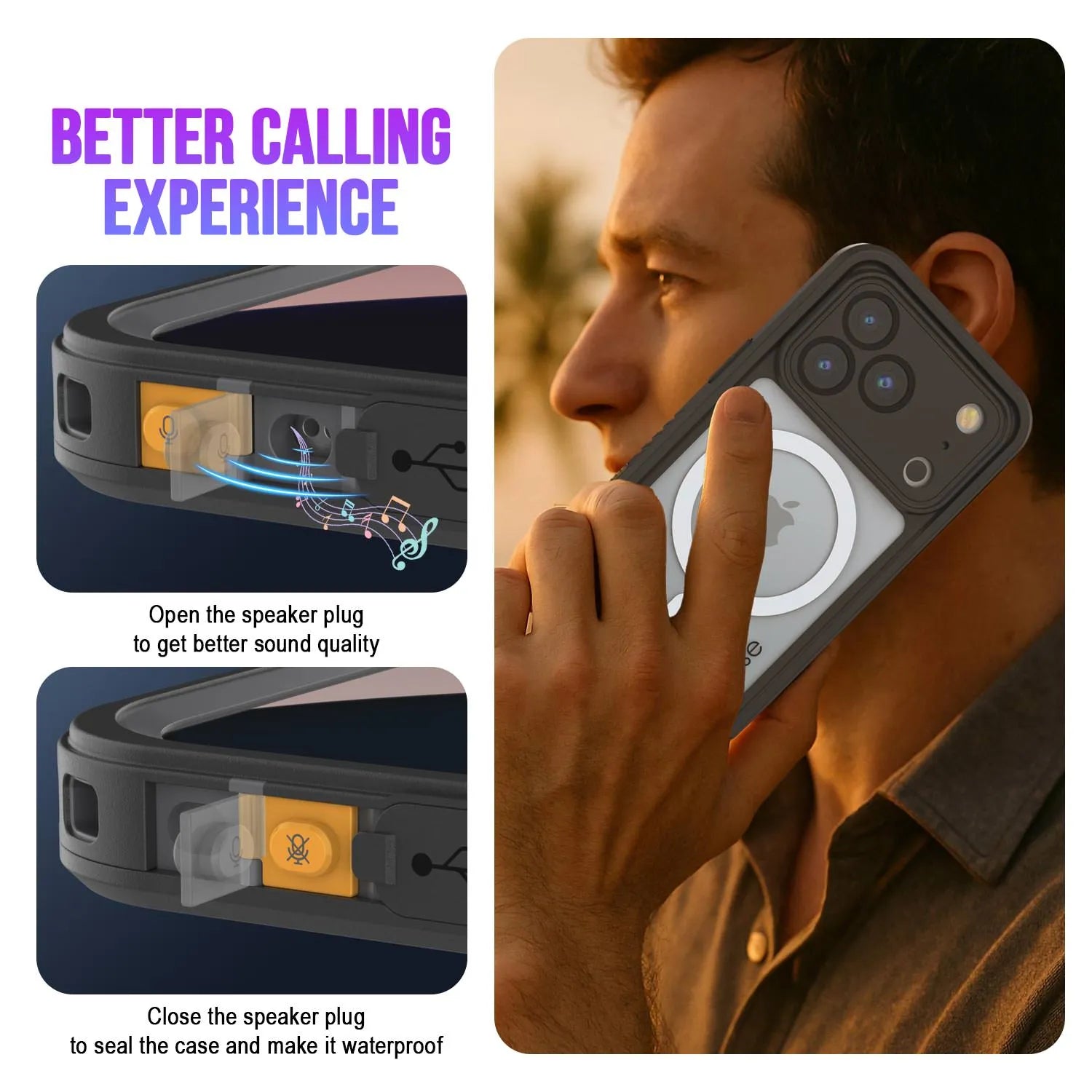
True waterproof cases create a complete seal that prevents water from reaching your device, even during submersion. This matters because aquatic accidents happen—not just at the beach or pool, but in everyday situations. Someone spills a drink, you’re caught in unexpected heavy rain, or you accidentally drop your phone in a sink.
Understanding IP Ratings
IP ratings measure water and dust protection on a standardized scale. An IP67 rating means complete dust protection and resistance to submersion up to 1 meter for 30 minutes. IP68 offers extended submersion protection, typically to greater depths or durations. Understanding these ratings helps you choose appropriate protection for your lifestyle.
Impact Absorption in Action: Behind the Science
When a phone hits the ground, the impact generates forces that could exceed 1000 Gs of acceleration. Without proper dampening, these forces concentrate at the impact point, causing cracks in the screen, damage to internal components, or both. Quality protective cases reduce the peak acceleration experienced by your phone through several mechanisms.
Energy Dispersal Technology
Premium cases disperse impact energy across larger surface areas and longer timeframes. Instead of experiencing a sharp spike in force lasting milliseconds, the phone experiences a gentler, prolonged deceleration. This difference is crucial—it’s why airbags in cars inflate rather than hit you with a solid object, even though they’re protecting against the same type of impact.
Shock Absorption vs. Rigidity
A common misconception is that the best protection comes from the hardest materials. In reality, the ideal protective case balances rigid structure with strategic flexibility. Hard materials protect against penetrating damage (like sharp drops or punctures), while flexible materials absorb and dissipate impact energy. The combination is what delivers superior protection.
Scratch and Abrasion Resistance
Beyond dramatic drops and water immersion, everyday scratches accumulate silently. Your phone slides across a desk, gets set down on sandpaper-rough concrete, or gets jostled in a backpack with keys and coins. These minor abrasions add up over time, creating a device that looks worn and aged long before it actually is.
Premium protective cases use materials that resist these everyday abrasions while maintaining their appearance. They don’t yellow or degrade from UV exposure. Their surface texture doesn’t worn smooth, reducing grip. After months of daily use, they look nearly as fresh as they did on day one.
Choosing the Right Protection for Your Lifestyle
Different lifestyles call for different levels of protection. Someone working in an office environment faces different hazards than someone on a construction site or frequently near water. Choosing appropriate protection means matching the case to your specific needs.
Urban Commuters
If you’re primarily dealing with drops in urban environments, accidental spills, and everyday wear, you need protection against impact and water resistance sufficient for rain and splashes. Your phone spends a lot of time in bags and pockets, so scratch resistance and durability matter.
Outdoor and Adventure Enthusiasts
Hiking, camping, beach trips, and water sports mean your phone faces high-impact scenarios and genuine water exposure. A waterproof case isn’t optional—it’s essential. You also need protection against dust, sand, and extreme temperatures.
Professional and Construction Environments
Jobsites expose phones to serious hazards: falls from heights, crushing forces, extreme temperatures, dust, mud, and water. Complete protection isn’t an inconvenience; it’s a necessary business expense that protects your communication equipment and access to important information.
Everyday Users Who Value Investment
Even if you’re careful, accidents happen. A phone that costs $800-$1200 deserves protection that matches its value. The cost of a premium protective case is trivial compared to replacement or repair costs. It’s simple economics: spend $50-$100 on a case now, or $300+ on screen repair (or a new phone) later.
The Real Cost of Inadequate Protection
Let’s talk numbers. What does phone damage actually cost? A shattered screen repair typically runs $200-$350. Back glass replacement adds another $150-$250. Water damage repairs can reach $300-$500, or the phone might be beyond economic repair entirely. A dropped and damaged phone that’s no longer under warranty becomes an $800+ problem overnight.
A quality protective case costs significantly less and eliminates that risk. Over the typical three-year lifespan of a smartphone, you’ll use that case every single day. The cost per day of protection is measured in cents.
Durability: Will Your Case Last?
A protective case only protects as long as it remains functional. Over time, repeated impacts can damage the case itself, reducing its effectiveness. Materials can degrade from UV exposure, heat, or simply age.
Premium protective cases are engineered to maintain their protective properties throughout your phone’s lifespan. They use durable materials that don’t become brittle or lose cushioning properties. Their designs account for how materials actually perform under extended use, not just in initial testing.
Making Your Decision
Your smartphone is an investment in connectivity, capability, and convenience. Whether you use it for work, communication, photography, or entertainment, you depend on it being functional. Protecting that investment should be a straightforward decision.
The question isn’t whether you need protection—life guarantees you’ll eventually need it. The question is whether you’ll invest in quality protection now, or pay the price of failure later. Given the comprehensive testing, proven performance, and genuine engineering that goes into professional protective cases, the choice becomes obvious.
Your phone gets dropped. It gets wet. It gets banged around in bags and pockets. When these inevitable moments arrive, you’ll be grateful that your device is protected by more than a thin piece of plastic. You’ll be glad you chose protection designed by engineers who understand how the real world treats smartphones.
Don’t wait for an accident to realize you needed better protection. Invest in your device’s safety today, and keep your most important tool safe for years to come.